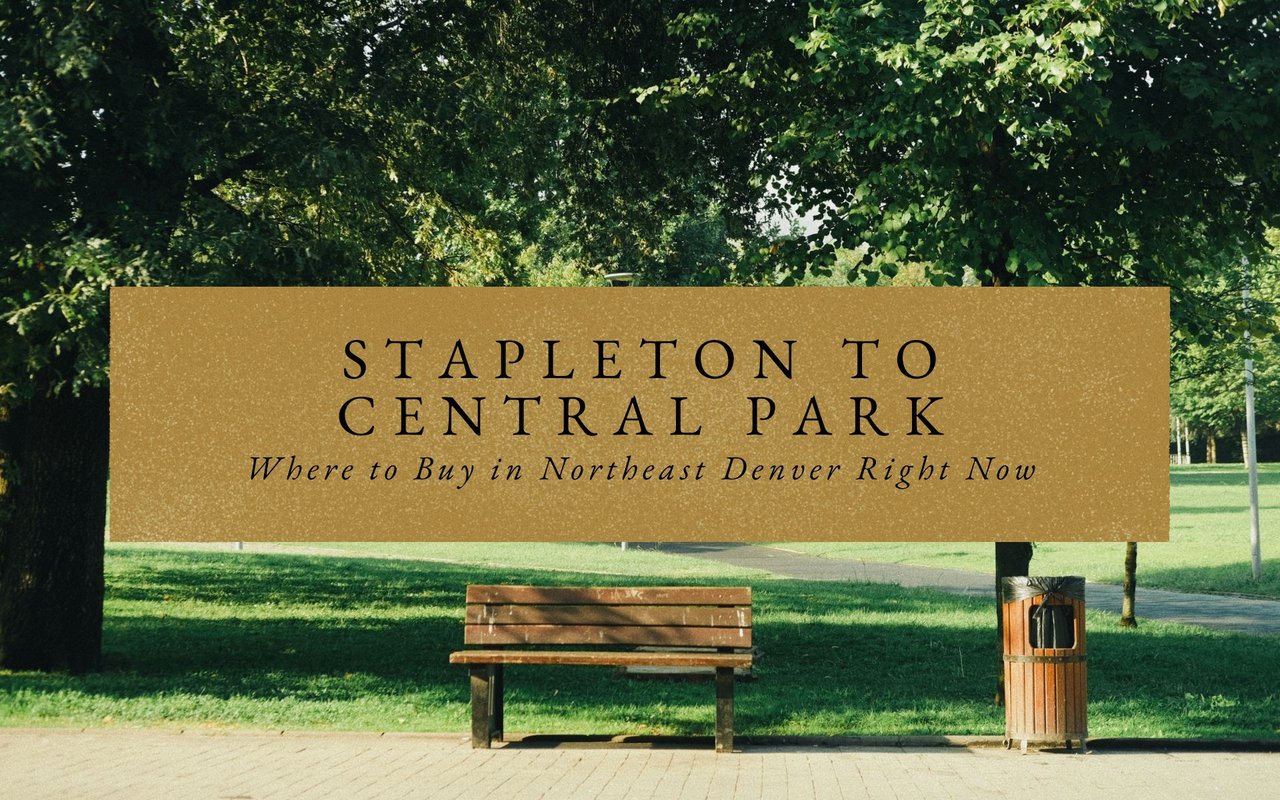
Stapleton to Central Park is one of those transitions that tells you everything about Northeast Denver: a former airport turned master-planned community, now evolving with new names, new energy, and still very strong appeal for buyers who care about parks, schools, and everyday walkability. If you’re wondering where to buy right now in this part of the city, you’re asking the right question—because micro‑neighborhood choice really matters here.
Think of this as a local’s guide to how the area lives on a Tuesday morning and a Saturday afternoon, not just how it looks in listings.
Why Northeast Denver Still Draws So Many Buyers
Northeast Denver—especially Central Park and its surrounding pockets—works so well because it combines:
Easy access to I‑70, I‑270, DIA, and downtown
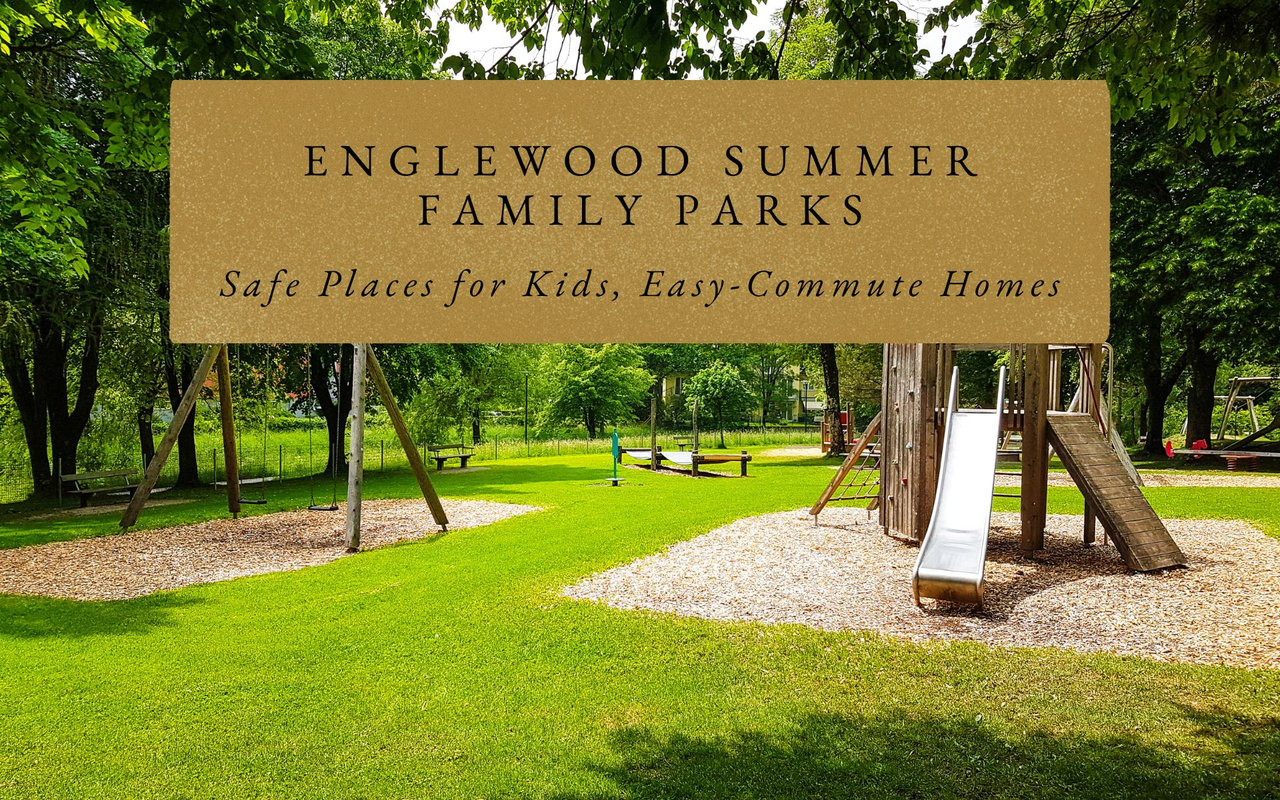
A dense network of parks, greenways, and playgrounds
Strong school options and community events
A mix of single‑family homes, rowhomes, and townhomes that let you match budget to lifestyle
You’re not just buying a house; you’re buying into a daily rhythm of walking or biking to coffee, parks, pools, and schools.
Below are 7 “places to look” that I’d walk through with you if we were mapping this out in person.
1. Central Park “Original” Neighborhoods
Name & location
Central Park (formerly Stapleton) original residential neighborhoods, roughly south of I‑70 and clustered around Central Park Blvd.What makes it special
These are the early phases of the redevelopment: tree-lined streets, pocket parks, classic Central Park architecture (front porches, alley-loaded garages), and established community feel. You’ll find a range of single-family homes, paired homes, and townhomes.Best “items” to try (for buyers)
Spend a morning walking a few blocks, then hit the larger Central Park or one of the smaller squares. Drive past the schools at pickup time. Check how far it really feels to walk or bike to coffee or grocery.Why locals love it
It feels “finished” and comfortable. Neighbors know each other, kids ride bikes between homes and parks, and resale tends to be strong because the lifestyle is so well established.
2. Newer Central Park Sub‑Neighborhoods (North & East)
Name & location
Newer sub‑neighborhoods in Central Park that stretch north of I‑70 and toward the eastern edges of the community.What makes it special
You get newer builds, updated layouts, and sometimes slightly more contemporary styles—plus easy access to newer parks, trails, and amenities. Many buyers prefer these areas for modern floorplans, energy efficiency, and “still-building” community energy.Best “items” to try
Tour homes in at least two different newer enclaves so you can compare lot sizes, park proximity, and street feel. Visit at dinnertime and on a weekend morning to see where people are actually out walking and playing.Why locals love it
You get the best of Central Park planning with a fresh, new-home feel. Buyers appreciate not having to immediately tackle updates and often like the neighborhood “buzz” that comes with newer phases.
3. Around Central Park Station & Transit‑Friendly Pockets
Name & location
Areas near RTD Central Park Station and the transit-oriented development just south/east of the tracks.What makes it special
If you commute downtown or to DIA, this is a huge perk. You’re close to rail, major bus lines, and key roads—while still being connected to parks and bike paths. Housing options near the station often include townhomes, condos, and some single‑family homes.Best “items” to try
Actually ride the train from Central Park Station to your likely work destination and back. Walk from station to potential home areas, then to coffee/food spots, so you feel how your daily routes would work.Why locals love it
Transit options make it easier to live a “car‑flexible” life. It’s especially appealing for buyers who want urban convenience but still value Central Park’s home styles and park network.
4. Northfield & Shops‑Adjacent Housing
Name & location
Neighborhoods around The Shops at Northfield (north of I‑70, east of Central Park Blvd).What makes it special
Living near Northfield gives you walkable or short‑drive access to big‑box stores, restaurants, a movie theater, and everyday errands. The surrounding residential pockets mix newer single‑family homes and attached products with good access back into Central Park’s parks and schools.Best “items” to try
Do an “errand test”: start at a home you’re considering, run a grocery/coffeeshop/Target loop, and see how long it really takes. Check noise and traffic levels on weekends to be sure you like the vibe.Why locals love it
Convenience. Families appreciate that they can knock out multiple errands without crossing half the metro, and teens enjoy having restaurants and entertainment close by.
5. Park‑Front and Greenway Homes
Name & location
Homes that directly front onto Central Park’s larger parks, smaller pocket parks, or greenways throughout the community.What makes it special
For many buyers, being directly on a park or greenway changes everything: you’re not just “near” a park—you live with it as your front yard or side yard view. It can mean daily walks, easier kid play, and a major boost in perceived quality of life.Best “items” to try
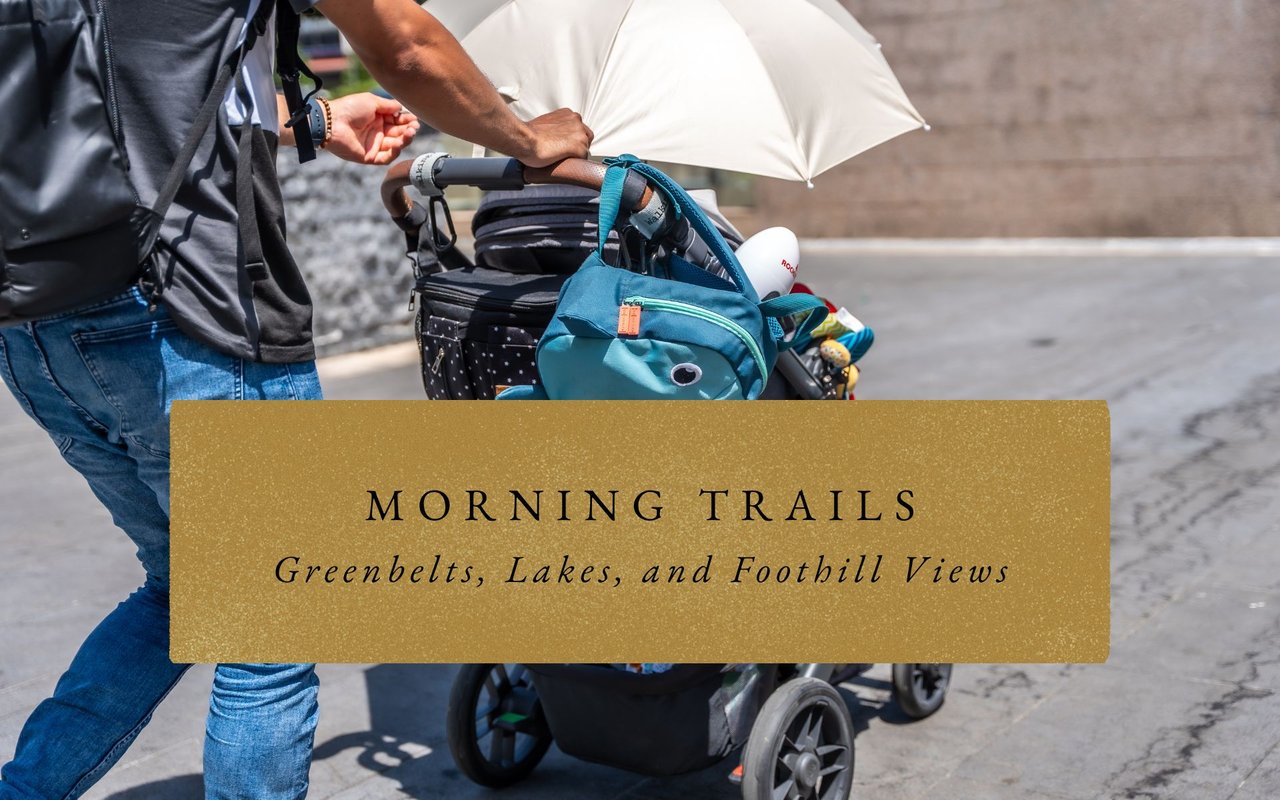
If you tour a park‑front home, spend extra time in the actual park or greenway. Watch how people use it: after‑work dog walks, morning stroller loops, pickup soccer games. Ask yourself, “Do we want this much activity right out front, or would we prefer a quieter street a block away?”Why locals love it
The line between “home” and “park” blurs—in a good way. Kids have natural places to play, adults have easy movement built into their day, and views often feel more open.
6. Stapleton/Original Central Park Townhomes & Rowhomes
Name & location
Townhome and rowhome clusters throughout Central Park (many near main boulevards, transit, and retail nodes).What makes it special
These attached homes offer full‑Central‑Park living with less maintenance and often lower price points than larger single‑family homes. Many have attached garages, front stoops, and walkable access to parks, pools, and shops.Best “items” to try
Walk from a townhome complex to the nearest park, school, and coffee spot. Stand on the front stoop and imagine your daily routine: kids’ bikes, dog walks, grocery runs. Then compare HOA dues and rules between complexes.Why locals love it
You get into the neighborhood and its amenities without having to manage a big yard. Busy professionals, small families, and downsizers often find this the best entry point to Northeast Denver.
7. Nearby “Next‑Wave” Neighborhoods Outside Central Park
Name & location
Adjacent pockets in Northeast Denver and Aurora that border Central Park—often just across major roads but still close to its amenity network.What makes it special
If your budget’s tight or you want a slightly different vibe, these nearby neighborhoods can offer more house or yard for the money while staying close to Central Park’s parks, paths, and shopping. They may not have the same master-planned feel, but they share schools, roads, and some amenity access.Best “items” to try
Map the exact distance to Central Park parks, pools, and shopping from any home you tour just outside the boundaries. Drive it at different times of day. Talk to locals about how often they use Central Park amenities.Why locals love it
You can benefit from proximity to Central Park without paying top‑tier prices for its most coveted streets. For some families, this trade‑off is ideal.
Tying It Back to Real Estate: Walkability, Lifestyle, Community
From a buying perspective, Northeast Denver—especially Central Park and its neighbors—offers:
Walkability
Sidewalks, bike paths, and greenways that actually connect home to parks, pools, coffee, and schools.Lifestyle
Weekend routines that look like: bike to park, walk to breakfast, swing by the pool, then grill in a small yard or on a townhome patio.Community amenities
Parks, pools, schools, shopping, and transit baked into the plan from the beginning, which is a big part of why demand has stayed strong.
The “right” spot for you depends on your version of that life:
Do you prioritize a park‑front view? A shorter commute? A lock‑and‑leave townhome? Transit access? Bigger yard?
My job is to help you sort those priorities, then match them to specific streets and sub‑neighborhoods—not just the broad label of “Central Park.”
If you’re thinking about buying in Northeast Denver right now, I’d love to walk you through the options, talk honestly about trade‑offs, and design a search that fits both your budget and your everyday life.
Call (720) 331-2355 or email [email protected] and we’ll build a short list of Central Park and Northeast Denver homes that make sense for you.