If you’re moving to Denver or making a move within the metro, one of the first big forks in the road is this: new construction or historic home? In 2026, both options are alive and well here—but they serve very different lifestyles, budgets, and long‑term goals.
As someone who walks clients through this decision every week in the South Metro and beyond, here’s how I break it down in plain English.
New Construction vs. Historic: The Big Picture
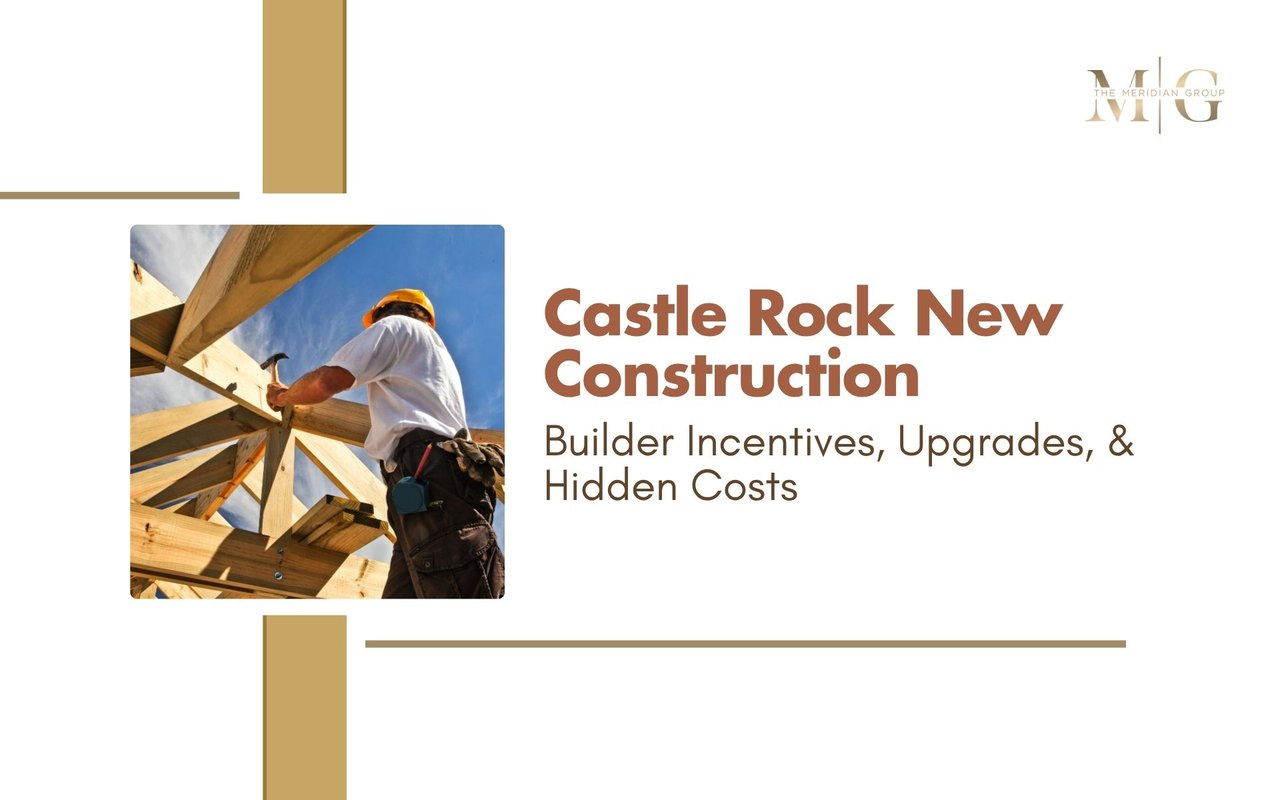
New Construction in Denver
New builds range from infill townhomes and small single‑family projects inside the city to full master‑planned communities on the edges. Think Central Park (Stapleton), Green Valley Ranch, Reunion, Sterling Ranch, and pockets of Lowry, Arvada, and Aurora.
What you get: Modern floor plans, energy efficiency, builder warranties, and “pick your finishes” options.
Trade‑offs: Often higher property taxes (metro districts), HOAs, and sometimes smaller lots or less mature landscaping.
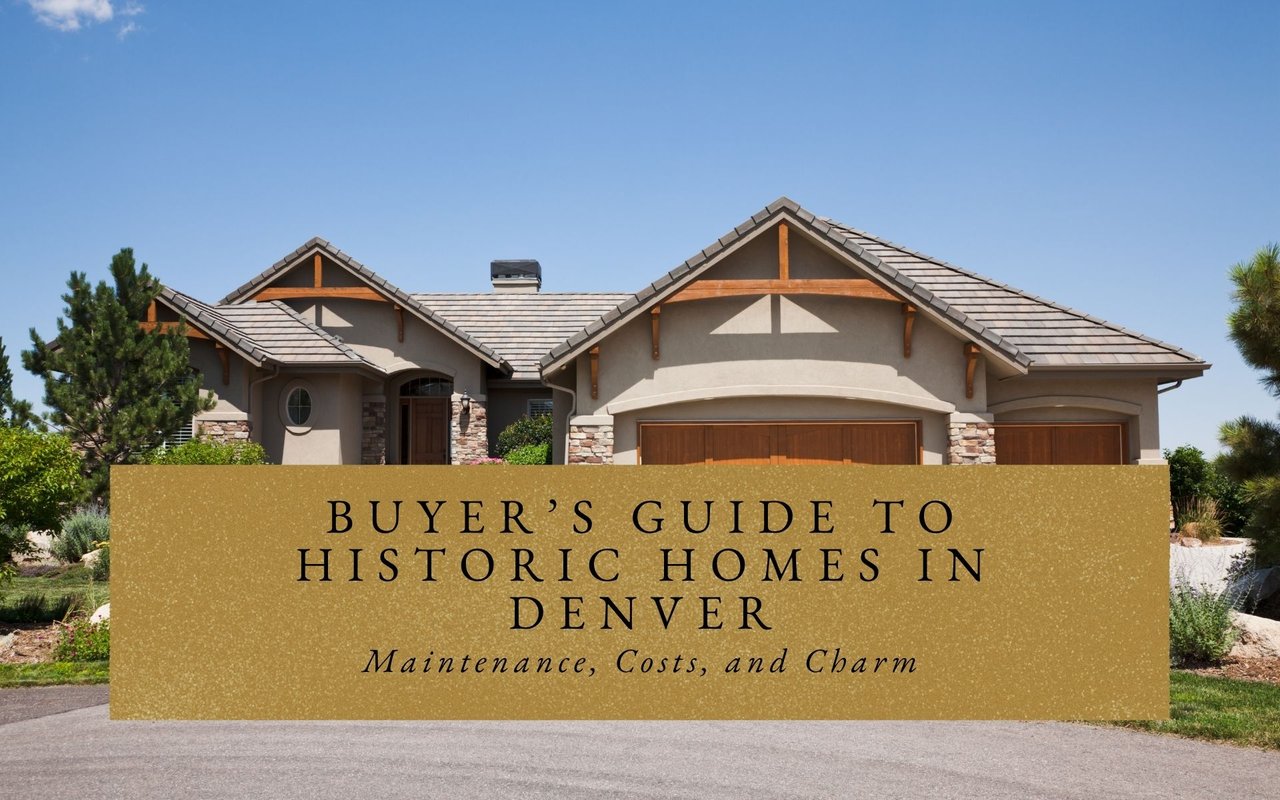
Historic Homes in Denver
Historic and older homes dominate neighborhoods like Washington Park, Platt Park, Park Hill, Capitol Hill, Berkeley, Highlands, and parts of Lowry and Montclair.
What you get: Character, mature trees, larger lots, established streetscapes, and a sense of “old Denver.”
Trade‑offs: More maintenance, potential for outdated systems, and fewer modern layouts unless you’re willing to remodel.
The right choice isn’t about which is “better”—it’s about which fits your daily life and how you want to spend your time and money.
How to Decide: Questions I Ask My Buyers
When clients are torn, we talk through:
How much maintenance do you want to handle? New builds usually mean fewer surprises in the first 5–10 years; historic homes often need more ongoing work.
How important are modern layouts and energy efficiency? Open plans, smart home features, and newer insulation/windows are standard in new construction.
Do you value mature trees and established streets? That’s where historic neighborhoods shine.
What’s your budget for purchase vs. improvements? Historic homes can look cheaper upfront but may need significant updates.
How do you feel about HOAs and metro districts? Newer communities often have both; older neighborhoods may have lower or no HOAs but fewer built‑in amenities.
Once we’re clear on lifestyle and budget, we can match you to the right neighborhoods.
5–7 Specific Recommendations: Neighborhoods That Show the Difference
These are the neighborhoods I use as “case studies” when comparing new construction and historic homes in Denver. Visiting them side by side gives buyers a real feel for what each lifestyle is like.
1. Central Park (Formerly Stapleton)
Location: Northeast Denver, near I‑70 and Quebec.
What makes it special: One of Denver’s largest master‑planned communities, with newer homes, extensive trails, parks, schools, and walkable town centers built into the design.
Best items to try: A walk through a newer subdivision, a visit to local parks and shops, and a drive on the main corridors to see the mix of townhomes, single‑family, and infill projects.
Why locals love it: Families and professionals who want modern layouts, community amenities, and a “planned” feel without leaving Denver city limits. It’s a textbook example of new‑construction living done at scale.
2. Washington Park (Wash Park)
Location: South Denver, centered around the 160‑acre Washington Park.
What makes it special: A mix of early‑20th‑century Victorians, brick bungalows, and some newer infill builds, all wrapped around one of Denver’s most beloved parks.
Best items to try: A morning jog or walk around the park, then a stroll down nearby streets to see historic homes alongside occasional new builds.
Why locals love it: It’s the classic Denver lifestyle—mature trees, character homes, and a strong sense of neighborhood. Buyers who choose Wash Park are usually prioritizing charm and location over brand‑new everything.
3. Green Valley Ranch
Location: Far northeast Denver, near DIA and I‑70.
What makes it special: A newer, more affordable master‑planned community with modern homes, parks, trails, and schools, designed for families and first‑time buyers.
Best items to try: A weekend drive through several blocks, a stop at local parks, and a look at how the community is laid out around open spaces and retail.
Why locals love it: It offers a “new suburb inside the city” feel—newer construction, lower entry prices than many south and west neighborhoods, and a clear community plan.
4. Platt Park
Location: South Denver, near South Broadway and Evans.
What makes it special: An older, walkable neighborhood with bungalows, small lots, and a tight‑knit, small‑town vibe inside the city.
Best items to try: Coffee and a walk along South Broadway, then a loop through residential streets to see the mix of original and updated historic homes.
Why locals love it: People who love Platt Park are buying into a lifestyle—walkable streets, local shops, and a strong neighborhood identity. It’s a great example of historic‑area living with modern conveniences close by.
5. Reunion (Commerce City)
Location: Northeast metro, near DIA and Highway 2.
What makes it special: A newer master‑planned community with modern single‑family homes, townhomes, parks, and schools, often at more approachable price points than many Denver neighborhoods.
Best items to try: A drive through several sections, a visit to community parks, and a look at how new construction is clustered around amenities.
Why locals love it: It’s a practical choice for buyers who want newer homes and community design without paying central Denver prices. Many see it as a long‑term value play as the area continues to build out.
6. Park Hill
Location: East Denver, north of Colfax and east of City Park.
What makes it special: A historic neighborhood with mature trees, classic Denver architecture, and a strong sense of community, with some infill and updates over time.
Best items to try: A walk through older blocks to see brick homes, large yards, and tree‑lined streets, plus a visit to nearby parks and City Park.
Why locals love it: Buyers who choose Park Hill are often drawn to the “old Denver” feel—character homes, established streets, and a central location—while accepting that some homes will need work.
7. Lowry (and Adjacent Infill)
Location: East Denver, near I‑225 and Colfax.
What makes it special: A former military base turned mixed‑use neighborhood with a blend of newer townhomes, infill single‑family, and some older properties on the edges.
Best items to try: A walk through Lowry’s town center, parks, and a mix of newer and older residential blocks to see how infill and historic coexist.
Why locals love it: It shows how Denver can blend old and new—walkable amenities, newer construction, and proximity to central neighborhoods, all in one place.
Tying It Back to Walkability, Lifestyle, and Community Amenities
Whether you lean new construction or historic, the best choice is the one that supports how you actually live:
Walkability: Historic neighborhoods like Wash Park, Platt Park, and Park Hill often have strong walkability to shops and parks. Newer communities like Central Park, Green Valley Ranch, and Reunion build walkability into their design with trails, town centers, and parks.
Lifestyle: If you want character, mature trees, and a sense of history, historic areas deliver. If you want modern layouts, energy efficiency, and fewer immediate repairs, new construction wins.
Community amenities: Newer master‑planned communities often include pools, rec centers, and programmed events. Historic neighborhoods offer established parks, schools, and a strong neighborhood identity that’s been built over decades.
In Denver’s 2026 market, you don’t have to choose between “cool” and “practical”—you just have to choose which version fits your life. Some buyers want the charm of a 1920s bungalow near a beloved park; others want a 2024 build with a three‑car garage and smart home features. Both are valid, and both can be great investments when matched to the right buyer.
If you’re weighing new construction vs. historic homes and want to see specific neighborhoods side by side—plus understand taxes, HOAs, and long‑term value—I’d be happy to walk you through it. Call me at (720) 331‑2355 or email [email protected] and we’ll create a tour plan that makes the differences crystal clear.