
What It Really Costs to Live in Aurora in 2026
Aurora’s cost of living runs a bit above the national average, but usually below many larger coastal cities and just under Denver’s overall cost profile.
Big picture numbers:
Overall cost of living index: around 108–109, compared to a US average of 100.
Housing index: roughly 118, reflecting higher‑than‑national housing costs but still more approachable than Denver’s core neighborhoods.
Median home price: around 450,000 for a typical home, with many three‑bedroom properties in the 450,000–550,000 range depending on neighborhood and condition.
Average rent for a 1‑bedroom: roughly 1,550–1,650 per month; 2‑bedrooms around 1,900–2,150 per month in desirable areas.
For a single professional, most relocation guides put a comfortable monthly budget around 3,500 per month; for a family of four, 7,000–7,100 per month is a more realistic baseline. That includes rent or mortgage, utilities, groceries, transportation, healthcare, and a reasonable amount of discretionary spending.
The key takeaway: Aurora can feel expensive if you’re coming from a lower‑cost region, but if you’re used to big‑city prices, the combination of space and amenities often feels like a step up.
How Aurora’s Neighborhoods Break Down for Relocators
Aurora isn’t one uniform suburb; it’s a patchwork of micro‑markets with different price points, vibes, and school options. When I advise out‑of‑state buyers, we typically look at three main “lanes”:
Family‑focused, master‑planned communities
Examples: Tallyn’s Reach, Saddle Rock, Beacon Point.
Features: Newer construction, planned amenities, strong access to parks and trails, and often well‑regarded schools and HOAs that keep the neighborhood consistent.
More affordable, established neighborhoods
Examples: Hoffman Heights, parts of Seven Hills, older pockets closer to the Colfax corridor.
Features: Lower entry price, older homes, more variation street to street, and typically shorter commutes to central job centers.
Mixed areas near major employment and transit
Examples: Areas around Anschutz Medical Campus, Fitzsimons, and light‑rail corridors.
Features: Convenience, strong rental demand, and easy access to downtown Denver, DIA, and medical or tech employment hubs.
Your “best” Aurora neighborhood will depend on your mix of priorities: schools, commute, budget, and how you want the area to feel on a Tuesday night—not just a sunny Saturday.
Schools: What Out-of-State Buyers Should Pay Attention To
Aurora is served primarily by two districts—Aurora Public Schools (APS) and Cherry Creek School District—with some parts touching other districts. They differ notably in reputation and test scores, and that affects both daily life and long‑term resale.
For relocators, I recommend focusing on:
Which district your prospective neighborhood is actually in (do not assume based on the city name).
School ratings for elementary, middle, and high schools, plus any specialty programs (STEM, IB, arts, etc.).
Commute patterns—some families are happy to drive a bit farther for a school they love, others want everything as close as possible.
Even if schools are not your top concern today, buying in a neighborhood served by well‑regarded schools often helps protect your investment and broaden your future buyer pool.
5–7 Aurora Spots That Help You “Feel” the City
Here are local recommendations I use to help out‑of‑state buyers understand Auroras’ lifestyle—these aren’t just attractions, they’re the places that tell you how it will feel to live here.
1. Southlands Mall and Town Center
Location: Southeast Aurora, near Smoky Hill Road and E‑470.
What makes it special: Open‑air shopping and dining with a central plaza feel—this is a daily‑life hub for much of southeast Aurora.
Best items to try: Coffee and a walk around the plaza in the morning, lunch on a patio, and an evening visit when the lights are on and families are out.
Why locals love it: It’s where errands, dates, and kid activities collide. If you live in communities like Tallyn’s Reach or Beacon Point, Southlands becomes your “main street.”
2. Cherry Creek State Park
Location: Just west of Aurora, accessible from Parker Road and I‑225 area.
What makes it special: Major reservoir, trails, camping, and open spaces right on Aurora’s western edge—essentially a giant backyard for many residents.
Best items to try: A walk or bike ride along the trails, a beach day in summer, or a quiet sunset at the reservoir.
Why locals love it: It’s the classic Colorado lifestyle piece: water, trails, and open sky just minutes from home. Aurora buyers who love the outdoors often use this park as their barometer—if it’s easy to get there, their neighborhood passes a key lifestyle test.
3. Aurora Reservoir and Beacon Point Area
Location: Far southeast Aurora, near E‑470 and Smoky Hill Road.
What makes it special: A quieter, more residential reservoir setting with trails, water activities, and surrounding master‑planned communities.
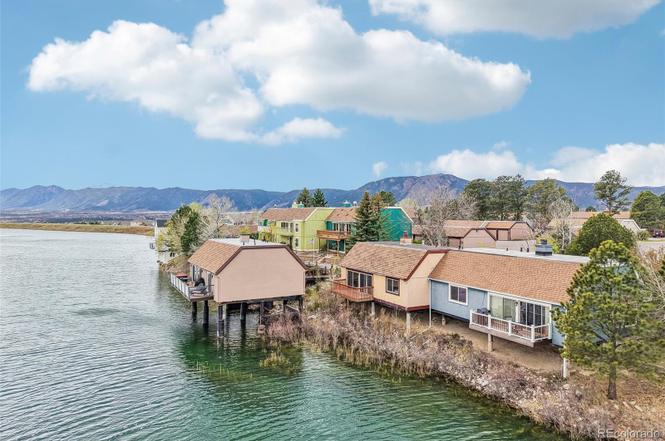
Best items to try: A walk or bike around the reservoir, paddling or swimming in season, and a quick drive through nearby neighborhoods like Beacon Point to see how homes relate to the water and trails.
Why locals love it: It feels like living near a vacation spot—but with everyday practicality. For relocators who want water and open space without sacrificing modern conveniences, this area is a major draw.
4. Anschutz Medical Campus and Fitzsimons Area
Location: North‑central Aurora, off Colfax Avenue and Peoria Street.
What makes it special: A huge medical and research hub, with employment, housing, and services all clustered nearby.
Best items to try: A drive or transit ride through the area during weekday hours to feel the pace of life, then a quick look at surrounding residential pockets that house medical professionals and staff.
Why locals love it: For those who work in healthcare or related fields, living near Anschutz can be a game‑changer for commute and schedule. Understanding this area helps relocators decide whether they want to be in the middle of the action or a bit removed.
5. Aurora’s Central Food and Culture Corridors
Location: Along East Colfax, Havana Street, and pockets of South Parker Road.
What makes them special: Diverse, local restaurants and markets representing many cultures—this is where Aurora’s personality really shines.
Best items to try: International food—from pho to tacos to Ethiopian cuisine—plus local bakeries and cafes.
Why locals love it: It reminds you that Aurora is not a cookie‑cutter suburb. It’s vibrant, varied, and full of hidden gems that people get genuinely attached to.
6. Neighborhood Parks in Tallyn’s Reach and Saddle Rock
Location: Southeast Aurora, near Aurora Parkway, Arapahoe Road, and Smoky Hill Road.
What makes them special: Planned parks, playgrounds, and trail connections built to support family‑friendly living.
Best items to try: Evening walks through the neighborhood, playground visits with kids, and weekend trail loops.
Why locals love it: These parks are part of daily life, not just special occasions, and they define the feel of living in these communities—quiet, active, and neighborly.
7. Aurora Municipal Center and Surrounding Area
Location: Central Aurora, near Alameda Parkway and Chambers Road.
What makes it special: City offices, library, and sometimes events and gatherings, plus nearby commercial areas that serve as an everyday hub for central residents.
Best items to try: A weekday visit to see how accessible city services are, paired with errands in nearby shopping centers.
Why locals love it: New residents quickly appreciate having city services, library access, and everyday shopping clustered together—it adds to the sense of Aurora as a complete, functioning city, not just a bedroom suburb.
How Walkability, Lifestyle, and Amenities Tie Back to Your Purchase
Relocating from out of state means you’re betting much more than just dollars—you’re betting your day‑to‑day happiness. In Aurora, I encourage buyers to think about three pillars when choosing where to land:
Walkability: Many Aurora neighborhoods are more “short‑drive” than “walk everywhere,” but hubs like Southlands, parts of Anschutz‑adjacent areas, and pockets near schools and parks offer meaningful walkability. Decide how much you truly need.
Lifestyle: Access to Cherry Creek State Park, Aurora Reservoir, local parks, and food corridors heavily shapes your weekends and evenings. Buying near the lifestyle pieces you care about is as important as square footage.
Community amenities: Schools, libraries, recreation centers, and shopping matter more than you think. When you’re new in town, these are what help you plug into the community and make Aurora feel like home instead of just a dot on a map.
If you’re relocating to Aurora from out of state, you don’t have to figure this out alone. I can help you narrow neighborhoods based on commute, budget, and school preferences, and then walk you through the lifestyle trade‑offs in plain language. Call me at (720) 331‑2355 or email [email protected] and we’ll create a relocation plan that feels thoughtful, realistic, and tailored to how you actually live.