If you’ve been priced out of Denver and the South Metro more than once, you’re not alone. Home prices here have climbed faster than wages for years, and even with higher interest rates, the monthly payment on a median home can feel out of reach.
The good news: there are real, local programs that can help with down payments and closing costs—some as grants you never repay, others as low‑ or no‑interest second mortgages that are forgiven over time. The trick is knowing which ones actually work in today’s market and how to use them without slowing down your offer.
Here’s how I walk Denver‑area buyers through mortgage programs and down payment help in 2026.
The Big Picture: What’s Available in 2026
Across Colorado and the Denver metro, the most useful programs fall into a few buckets:
Statewide CHFA programs: The Colorado Housing and Finance Authority offers down payment assistance (DPA) as either a grant (up to about 3 percent of the first mortgage, capped around 25,000) or a deferred second mortgage (up to about 4 percent, also capped near 25,000). These can be paired with a 30‑year fixed first mortgage and have income and purchase‑price limits that vary by county.
Denver‑specific metroDPA: The City and County of Denver’s metroDPA program offers up to roughly 5 percent of the loan amount as a 0 percent silent second mortgage, forgiven if you stay in the home for at least three years. There’s also a Social Equity tier with additional forgivable funds for residents or descendants of historically redlined Denver neighborhoods.
Targeted programs: CHFA and other agencies run special options for first‑generation homebuyers, public school employees, and buyers with disabilities, sometimes with higher assistance levels or more flexible terms.
In plain English: if you’re a teacher, a first‑gen buyer, or someone who’s been renting in Denver for years, there may be a program that fits you better than the “standard” first‑time buyer path.
How to Decide: Which Program Makes Sense for You
When I sit down with buyers, we talk through:
Income and household size: Most programs have income caps that vary by county and household size.
Purchase price and neighborhood: Programs often have maximum purchase prices and may work better in certain areas.
First‑time vs. repeat buyer: Some programs are open to repeat buyers if you haven’t owned in a while or if you’re buying in a “targeted” area.
Long‑term plans: If you plan to stay at least 5–10 years, a deferred second or forgivable loan can make a lot of sense. If you think you’ll move in 2–3 years, a grant may be more attractive.
The goal is to use these programs to get you into a home you can afford long‑term, not just to stretch to the absolute top of your budget.
5–7 Specific Recommendations: Programs and Areas That Work Well
These are the program and neighborhood combinations I use most often with Denver and South Metro buyers in 2026.
1. CHFA FirstStep + DPA Grant (Statewide, Including Denver Metro)
Location: Works across Colorado, including Denver, Aurora, Centennial, Highlands Ranch, and most South Metro cities.
What makes it special: CHFA’s FirstStep program is designed for first‑time buyers (and some repeat buyers in targeted areas) and can be paired with a DPA grant of up to about 3 percent of the first mortgage (capped near 25,000) that never has to be repaid.
Best items to try: Run your income and target purchase price against current CHFA limits, then compare neighborhoods where the max purchase price still gives you good options—often in Aurora, Centennial, Thornton, and parts of Arvada and Lakewood.
Why locals love it: Buyers appreciate that the grant is truly a grant. It reduces the cash needed at closing without adding another monthly payment, which is huge in a higher‑rate environment.
2. CHFA FirstGeneration Second Mortgage (Statewide)
Location: Available statewide, including Denver and South Metro.
What makes it special: For buyers where at least one borrower is a first‑generation homebuyer (neither parent owned a home while the buyer was a minor), CHFA offers an additional deferred second mortgage for down payment and closing costs.
Best items to try: Combine this with a CHFA first mortgage and DPA grant or second, then look at neighborhoods where you can stretch a bit further—often in Parker, Castle Rock, and some South Denver pockets.
Why locals love it: First‑gen buyers often have less family wealth to lean on. This program acknowledges that and helps them build equity in a market that otherwise feels stacked against them.
3. metroDPA (City and County of Denver)
Location: City and County of Denver proper, including neighborhoods like Washington Park, Platt Park, Park Hill, Montclair, and many others inside Denver limits.
What makes it special: metroDPA offers up to roughly 5 percent of the loan amount as a 0 percent silent second mortgage, forgiven if you stay in the home for at least three years. It’s open to both first‑time and some repeat buyers, with income limits around the mid‑170,000s.
Best items to try: Use metroDPA to buy in neighborhoods where a bit of extra down payment help makes the difference between a condo and a small single‑family home—think Park Hill, Montclair, and parts of Southwest Denver.
Why locals love it: Denver residents who’ve been renting for years can finally break into ownership without an impossible down payment. The three‑year forgiveness window is short enough to feel realistic but long enough to encourage stability.
4. metroDPA Social Equity Tier (Denver)
Location: Denver neighborhoods that were historically redlined, including parts of Park Hill, Montclair, Five Points, Whittier, and other east and central Denver areas.
What makes it special: This tier offers additional forgivable funds (often 15,000 or 25,000, depending on income) for residents or descendants of people who lived in redlined Denver neighborhoods between 1938 and 2000.
Best items to try: If you qualify, use this to target specific blocks in historically impacted neighborhoods, where your assistance can help you compete with cash‑heavy offers.
Why locals love it: It’s one of the few programs explicitly designed to address past housing inequities. For families with deep Denver roots, it feels like a meaningful step toward making ownership possible in the city they already call home.
5. CHFA Schools To Home (Statewide, Including Denver Metro)
Location: Available to Colorado public school employees statewide, including Denver, Aurora, Littleton, and South Metro districts.
What makes it special: Launched in mid‑2026, this program offers up to 25 percent of the first mortgage amount in down payment assistance for qualifying public school employees. That’s a game‑changer for teachers and staff who want to live near the schools where they work.
Best items to try: Pair this with a CHFA first mortgage and look at neighborhoods near your school or district—often in Aurora, Thornton, Littleton, and parts of Denver where teacher salaries align better with home prices.
Why locals love it: Teachers are central to our communities but often priced out of them. This program helps them buy closer to work, build equity, and put down roots in the neighborhoods they serve.
6. CHFA HomeAccess / HomeAccess Plus (Statewide)
Location: Available statewide, including Denver and South Metro.
What makes it special: Designed for buyers with a permanent disability, or parents/guardians of a child with a permanent disability, HomeAccess provides down payment assistance as a deferred second mortgage alongside a CHFA first mortgage.
Best items to try: Combine with other CHFA options and focus on neighborhoods with good accessibility features, proximity to medical care, and strong transit or walkability.
Why locals love it: It recognizes that disability brings extra costs and barriers. By reducing the upfront cash needed, it makes ownership more realistic for families who already have a lot on their plates.
7. Targeted Neighborhoods Where DPA Programs Shine
Location: Aurora, Thornton, Lakewood, Arvada, parts of Englewood, and some South Denver pockets.
What makes it special: These areas often have more inventory in the price ranges that align with CHFA and metroDPA limits, plus good access to jobs, transit, and amenities.
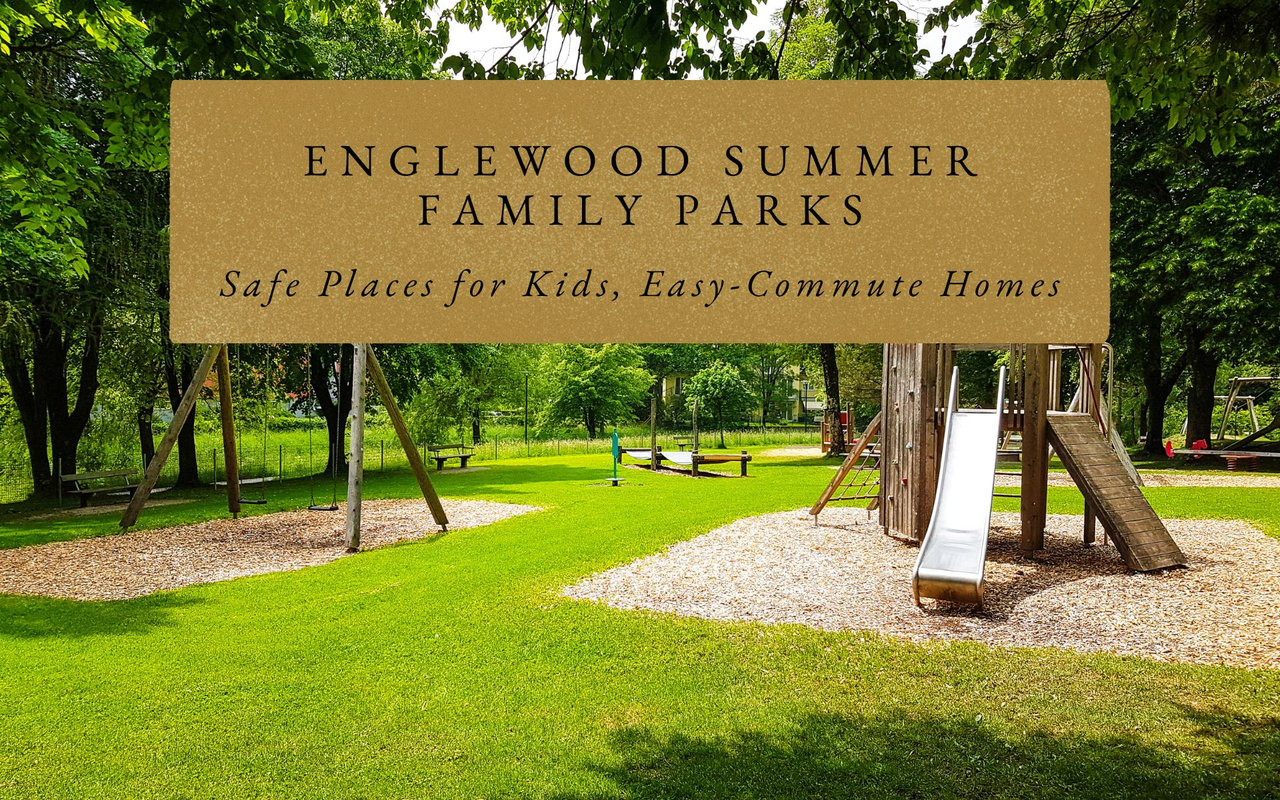
Best items to try: Use DPA to buy in neighborhoods with solid schools, parks, and transit—places where you can live well now and still build equity over time.
Why locals love it: Buyers realize they don’t have to stretch to the most expensive zip codes to get a good life. With down payment help, they can choose neighborhoods that fit their budget and still offer strong amenities and commute options.
Tying It Back to Walkability, Lifestyle, and Community Amenities
Down payment assistance isn’t just about getting the keys—it’s about setting you up to live well in your new community:
Walkability: Many DPA‑friendly neighborhoods are in older, more walkable parts of Denver and the inner suburbs, where you can walk to coffee, parks, and shops. That lowers your overall cost of living and makes daily life easier.
Lifestyle: When your monthly payment is more manageable, you have more room in your budget for the things that make Colorado life great—trips to the mountains, local events, and time with family and friends.
Community amenities: Parks, trails, rec centers, libraries, and good schools matter. DPA programs can help you buy in neighborhoods where those amenities are already in place, not just “someday” plans on a developer’s map.
In 2026, the smartest Denver buyers aren’t just saving for years to scrape together a huge down payment. They’re using the programs that exist—grants, forgivable seconds, and targeted assistance—to buy sooner, in neighborhoods that truly fit their lives.
If you’re curious which programs you might qualify for, or you want to see specific neighborhoods where your down payment help goes furthest, I’d be happy to walk you through it. Call me at (720) 331‑2355 or email [email protected] and we’ll map out a plan that makes ownership feel realistic, not impossible.