
Hey there, it's Tammy Petit Loveland. If you're like most of my clients, you didn't just stumble across Colorado — you fell in love with it. Maybe it was a ski weekend in Breckenridge, a hike around Chatfield Reservoir, or that first morning coffee with a view of the Front Range. Now you're thinking: what if this could be more than a vacation? What if it could be your second home?
I live and work right here in the Denver South Metro, and I've helped dozens of buyers navigate the financing, neighborhoods, and lifestyle that come with owning a second home in this area. Let's talk about what you need to know — from loan options to the little local perks that make this place feel like home.
The Financing Basics (Without the Jargon)
First things first: financing a second home in Colorado isn't the same as financing your primary residence, but it's also not as complicated as people think. Here's the insider breakdown:
Down Payment: Expect to put down at least 10–20% for a second home. Some lenders require more, especially if you're looking at higher-priced properties in areas like Cherry Hills Village or Castle Pines.
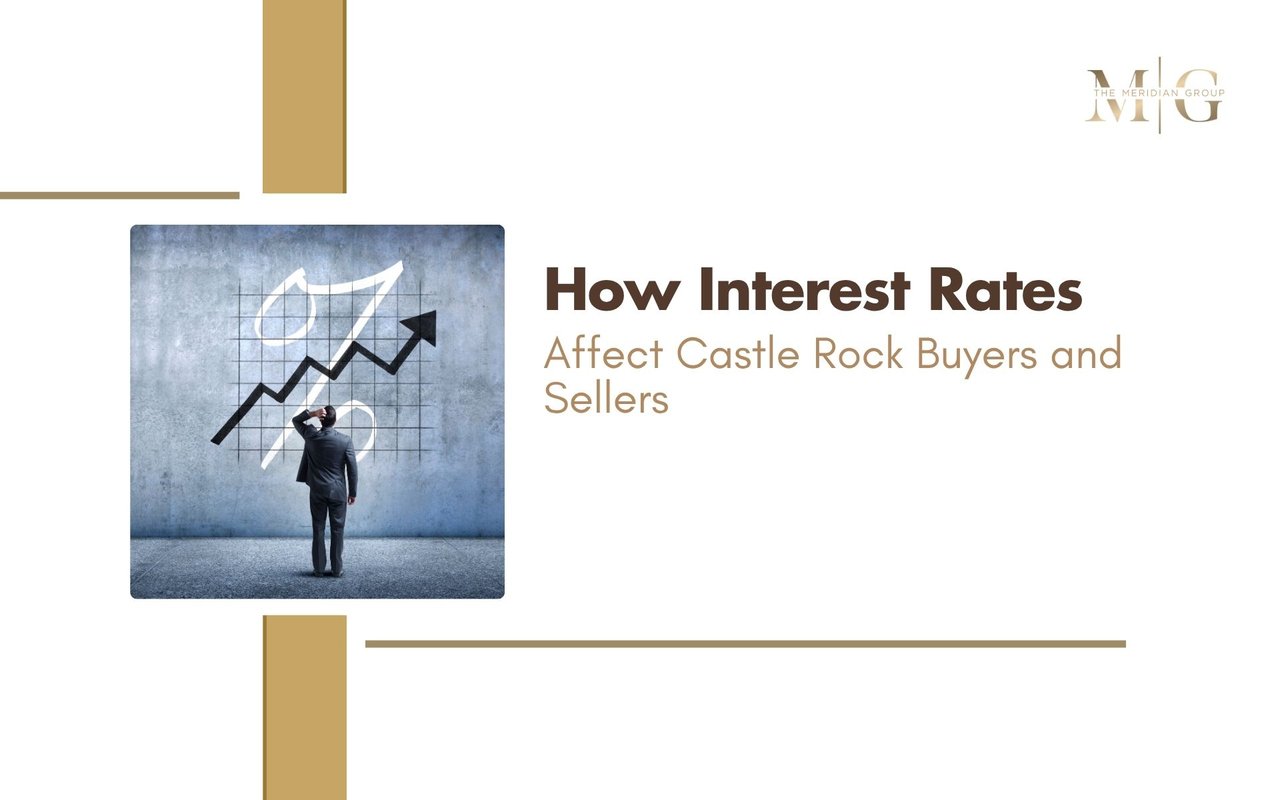
Interest Rates: Second-home mortgages typically run about 0.25–0.5% higher than primary residence rates. That said, Colorado buyers have access to some great programs. For 2026, conforming loan limits in the Denver metro sit around $862,500–$880,000, which covers most second-home purchases in the South Metro.
Property Taxes: Here's a pleasant surprise — Colorado's effective property tax rate is roughly 0.49–0.55%, among the lowest in the nation. On a $700,000 second home, you're looking at about $3,400–$3,850 annually. If you're 65+ and plan to eventually make this your primary residence, the Senior Property Tax Exemption can reduce taxable value by 50% on the first $200,000 after 10 years.
HOA and Metro Districts: This is critical. Many newer South Metro communities — think Sterling Ranch, The Meadows, or Castle Pines — have metro districts that fund roads, parks, and amenities. These can add to your annual tax bill. Always ask me to pull the exact mill levy before you write an offer.
Rental Income: Planning to rent it out part-time? Some lenders will consider projected rental income (typically 75% of market rent) to help you qualify. Just know that if you rent it more than 14 days per year, the IRS may classify it as an investment property, which changes financing terms.
Ready to Make Colorado Your Second Home?
If you're serious about buying a second home in the Denver South Metro, let's talk. I'll walk you through financing options, pull exact property tax figures, and show you the neighborhoods that match your lifestyle — whether that's walkable urban living, golf-course communities, or something with quick I-70 access for ski weekends.
Call or text me at (720) 331-2355, or email [email protected]. Let's find your Colorado home.