
Living in Parker, Colorado, means a suburban lifestyle with a walkable historic Main Street, extensive parks and trails, and convenient access to E-470 and the southeast Denver Metro. It is a strong fit for buyers who want newer homes, outdoor recreation, and a town-centered feel, but it is still a car-oriented community with growing traffic.
At a Glance
Location: Douglas County, about 20 miles southeast of Denver.
Lifestyle: Suburban and community-oriented, with a walkable downtown core.
Outdoor access: Roughly 1,900 acres of parks and open space, plus more than 30 miles of soft-surface trails.
Commute: Typically car-based; downtown Denver can take roughly 30 to 55 minutes depending on timing.
Housing: A mix of established neighborhoods, newer developments, townhomes, and acreage properties.
Best for: Buyers who want space, trails, community events, and access to the southeast metro.
The Everyday Feel of Parker
Parker has a small-town center with a bigger suburban footprint. Its historic Main Street gives residents a walkable gathering place for dining, shopping, and community events, while much of the rest of town is designed around neighborhoods, parks, and driving.
The town has grown quickly, and that growth has brought more restaurants, retail, housing options, and services. It has also brought more traffic, especially along Parker Road and during peak commute times.
For many residents, the appeal is the balance: you can live in a suburban neighborhood with trails and open space nearby, then head to Main Street for dinner or a local event.
Parks, Trails, and Outdoor Life
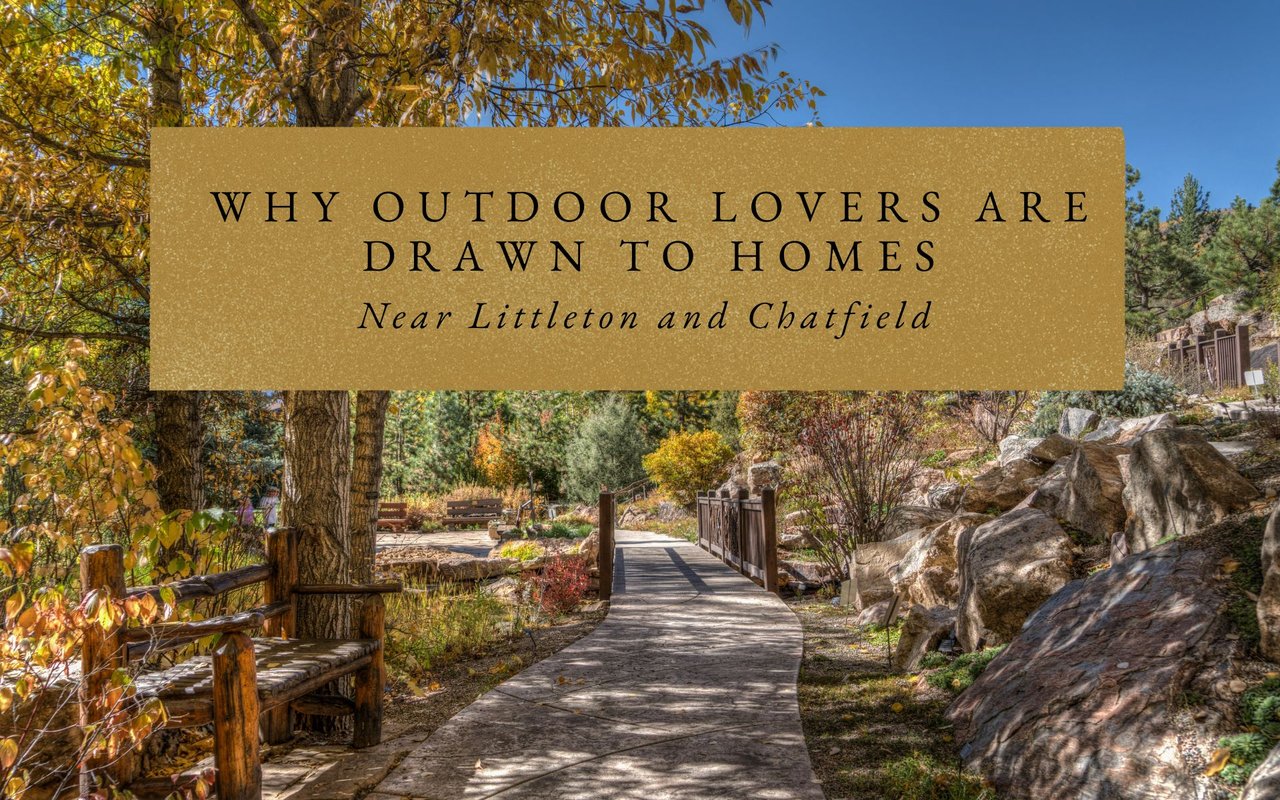
Outdoor access is one of Parker’s biggest advantages. The community includes roughly 1,900 acres of parks and open space and more than 30 miles of soft-surface trails, giving residents plenty of options for walking, running, and biking close to home.
The Cherry Creek Trail is a major connection for cyclists and walkers, linking Parker toward the broader regional trail network and ultimately toward downtown Denver. Nearby Castlewood Canyon State Park and Douglas County open space add more hiking and outdoor options within a short drive.
Parker also has strong indoor recreation options. The Parker Field House provides indoor turf and courts, making it easier to stay active during Colorado’s colder months.
Housing and Neighborhoods
Parker offers a wide range of housing, from established neighborhoods near downtown to newer master-planned communities farther out. Buyers can find townhomes, single-family homes, patio homes, and properties with more land, particularly toward the southern and eastern edges of town.
Popular areas include Stroh Ranch, The Pinery, and Cottonwood, each with a different mix of home age, lot size, trails, and open space. The Pinery, for example, is known for larger lots and a more rural-feeling setting, while newer developments tend to offer more modern floor plans and community amenities.
Before buying, compare the exact address—not just the town. Commute routes, HOA dues, metro-district taxes, trail access, and future development can vary significantly from one Parker neighborhood to another.
Commuting and Getting Around
Parker is primarily a driving community. Most residents commute by car, and public transportation options are limited compared with closer-in Denver neighborhoods.
The nearest light-rail stations are west of Parker near I-25, including stations around Lincoln Avenue and RidgeGate. Some residents drive to those stations to connect to downtown Denver, while others rely on local bus service or park-and-ride options.
Downtown Denver can take roughly 30 to 55 minutes depending on departure time, route, and traffic. For commuters working in the Denver Tech Center, Lone Tree, Centennial, or along I-25, Parker can be convenient—but rush hour should be tested before choosing a home.
Community Events and Local Life
Parker’s Main Street is a central part of local life. It hosts community events, seasonal activities, and a mix of locally owned shops and restaurants that give the town a more personal feel than many larger suburbs.
Residents also benefit from townwide events and recreation programming throughout the year. The Parker Farmers Market, seasonal events, and recreation leagues are examples of the kind of activities that help create a connected community feel.
If community involvement matters to you, look for homes within a reasonable drive or walk of Main Street, Parker’s recreation facilities, and the Cherry Creek Trail corridor.
What Buyers Should Weigh
Parker’s biggest advantages are its trail system, outdoor access, town-center feel, and range of housing options. Buyers who want a newer home, a yard, or a more relaxed suburban pace often find the town appealing.
The trade-offs are real. Parker is car-dependent, traffic can be frustrating during rush hour, and housing costs are higher than in many comparable communities. Growth has also changed some views and added more development over time.
Before making an offer, calculate the full monthly cost, including mortgage, taxes, insurance, HOA dues, metro-district assessments, utilities, and commuting expenses. A home that looks affordable on paper may feel different once the complete cost of ownership is included.
Local Insider Tips
Test the commute at your actual departure time. Parker Road, E-470, and I-25 can all affect your daily routine.
Walk or bike the nearest trail before offering. Trail access is one of Parker’s best lifestyle features, but it varies by neighborhood.
Visit Main Street on a weekend. It is the best way to see whether Parker’s community feel matches what you are looking for.
Compare older homes carefully. Review roof age, windows, HVAC, drainage, and exterior maintenance before relying on renovation budgets.
Real Estate Tie-In
Parker can be an excellent choice for buyers who want more space than central Denver offers while still staying connected to the southeast metro. Homes near the Cherry Creek Trail, Main Street, or major parks can make outdoor recreation part of everyday life.
For commuters, the location works best when the route to work is realistic. Buyers working in the Denver Tech Center or along I-25 should test the drive during rush hour, while remote workers may prioritize trail access, a home office, and neighborhood amenities instead.
Before touring, write down your top three priorities: commute limit, monthly payment, yard or garage needs, and proximity to trails or Main Street. Then compare homes across several Parker neighborhoods rather than limiting the search to one area.
FAQ
Is Parker, Colorado, a good place to live?
Yes, especially for buyers who want a suburban lifestyle with trails, parks, a walkable Main Street, and access to the southeast Denver Metro. The trade-offs include car dependency, growing traffic, and housing costs that are higher than many nearby areas.
How far is Parker from Denver?
Parker is about 20 miles southeast of Denver. Driving downtown can take roughly 30 to 55 minutes depending on traffic and departure time.
Is Parker, Colorado, walkable?
Parts of Parker are walkable, especially around historic Main Street. Most residential neighborhoods are more car-oriented, so buyers who want a walkable lifestyle should focus on homes near Main Street, parks, or trail connections.
What are the best neighborhoods in Parker, Colorado?
Stroh Ranch, The Pinery, and Cottonwood are popular starting points. The Pinery offers a more acreage-oriented setting, while Stroh Ranch and Cottonwood provide more traditional suburban neighborhoods with parks and trail access.
Does Parker, Colorado, have good outdoor recreation?
Yes. Parker has roughly 1,900 acres of parks and open space, more than 30 miles of soft-surface trails, the Cherry Creek Trail, and nearby access to Castlewood Canyon State Park and Douglas County open space.
Ready to Explore Homes in Parker?
Ready to explore homes in Parker, Castle Rock, or the wider Denver South Metro? Call or text Tammy Petit Loveland at (720) 331-2355 or email [email protected]. I can help you compare neighborhoods, commute routes, amenities, and homes that fit your budget and lifestyle.
Tammy Petit Loveland, The Meridian Group Real Estate
Author Bio
Tammy Petit Loveland is a Castle Rock-based real estate agent with The Meridian Group Real Estate, helping buyers and sellers across Douglas County and the Denver South Metro area. She provides practical, local guidance for buyers evaluating Parker neighborhoods, commute options, amenities, and long-term home value.