
The best Denver suburb depends on your budget, commute, housing type, and how you want to spend your free time. Castle Rock and Parker work well for buyers seeking space and a suburban-town feel, while Littleton, Arvada, and Lakewood offer stronger walkability and transit access.
At a Glance
Castle Rock: Best for more space, outdoor access, and a town-centered lifestyle.
Parker: Best for a suburban community with trails and a growing downtown.
Littleton: Best for historic charm, light rail, and established neighborhoods.
Arvada: Best for Olde Town character, G Line access, and foothills proximity.
Lakewood: Best for foothills access, Belmar, and a mix of established neighborhoods.
Highlands Ranch: Best for extensive trails, recreation amenities, and master-planned living.
Lone Tree: Best for I-25, light rail, Park Meadows, and commuter convenience.
Start With Your Real Priorities
There is no single best Denver suburb for every buyer. The right community is the one that improves your weekly routine—not just the one with the most appealing listing photos.
Start with the non-negotiables: commute, monthly housing cost, yard or garage needs, transit access, and proximity to the places you visit most. Then compare neighborhoods in person, because the same suburb can feel very different from one side of town to the other.
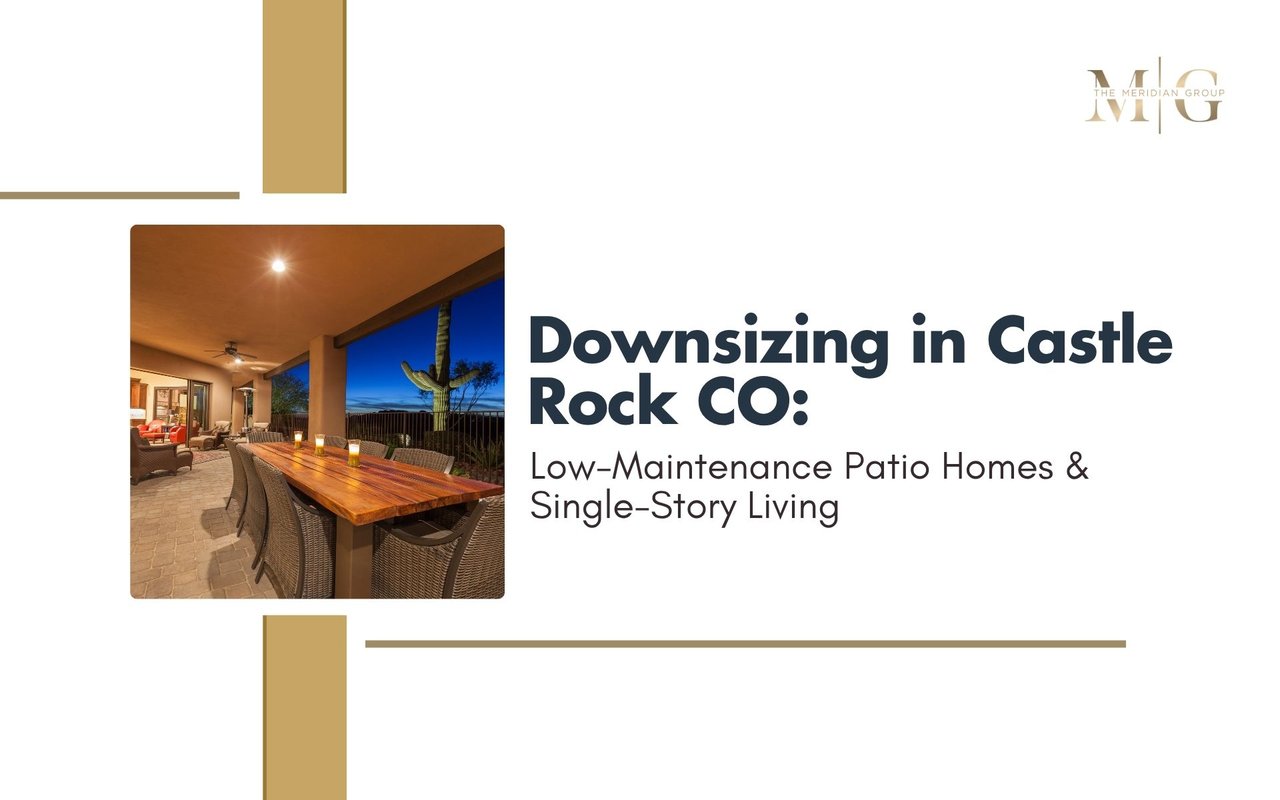
Castle Rock: Space and Outdoor Access
Castle Rock sits south of Denver in Douglas County along the I-25 corridor, roughly halfway between Denver and Colorado Springs. It combines a historic downtown, newer master-planned communities, parks, and easy access to Front Range open space.
Buyers often choose Castle Rock when they want a detached home, a larger lot, or a newer-construction option. The tradeoff is a longer drive to central Denver, so commuters should test the I-25 route during their normal travel time.
What to look for: proximity to I-25, trail access, lot size, HOA and metro-district costs, and whether you prefer an established neighborhood or newer build.
Why locals love it: Castle Rock offers a small-town center with a clear identity, while still connecting to both Denver and Colorado Springs.
Best for: Buyers who want space, outdoor recreation, and a town-centered lifestyle.
Parker: Trails and a Growing Downtown
Parker is southeast of Denver in Douglas County, with a walkable Main Street district, Cherry Creek trail connections, and a mix of established neighborhoods and newer developments. It offers a practical balance between suburban amenities and access to the southeast metro.
Parker can be a good fit if you want a town-center feel, newer construction options, and room for a yard or garage. Because it is farther from downtown Denver, commute time and toll-road use should be part of the affordability conversation.
What to look for: proximity to Mainstreet, trail access, commute route, and whether the home’s location fits your daily routine.
Why locals love it: The community has a town-center feel, while trails and open space remain close to many neighborhoods.
Best for: Buyers who want suburban convenience, outdoor access, and a strong community feel.
Littleton: Historic Charm and Light Rail
Littleton is southwest of Denver, with a walkable historic downtown along Main Street and light-rail service connecting toward central Denver and the Denver Tech Center. The area includes established neighborhoods, mature trees, and access to the South Platte River corridor.
This is a strong option if you want a neighborhood with character and a more walkable daily routine. Older homes may need updates, so inspection results and renovation planning are especially important.
What to look for: walking distance to downtown Littleton or a light-rail station, lot maintenance, and the condition of major home systems.
Why locals love it: Historic Main Street gives residents a walkable gathering place, while transit offers an alternative to driving downtown.
Best for: Buyers who want an established community, transit access, and a walkable downtown.
Arvada: Olde Town and Foothills Access
Arvada is northwest of Denver, between the city and Golden. Its Olde Town district is a walkable historic center with local shops, restaurants, and a G Line commuter-rail connection to Union Station.
Arvada appeals to buyers who want character, rail access, and a shorter drive to the foothills. Housing ranges from older homes near Olde Town to newer construction farther west, so location within the city matters.
What to look for: proximity to Olde Town, G Line access, commute route, and the condition of older homes.
Why locals love it: The combination of a walkable town center and nearby foothills makes weekends feel more flexible.
Best for: Buyers who want character, transit, and easy access to Golden and the mountains.
Lakewood: Foothills and Everyday Variety
Lakewood is west of Denver, stretching toward the foothills with access to Green Mountain, Bear Creek Lake Park, and the Belmar shopping and dining district. It offers a broad mix of condos, townhomes, and single-family homes across many price points.
Buyers who want mountain access without giving up city convenience often choose Lakewood. The city’s size means neighborhoods can feel very different, so it is important to compare specific areas rather than treating Lakewood as one market.
What to look for: proximity to Green Mountain or Bear Creek Lake Park, commute route, home age, and access to Belmar or other everyday services.
Why locals love it: The west-side location makes foothills recreation feel like part of a normal week.
Best for: Buyers who want outdoor access, variety, and a central-west location.
Highlands Ranch: Master-Planned Amenities
Highlands Ranch is a large master-planned community in Douglas County, south of Denver near C-470 and I-25. It is known for its extensive trail network, parks, recreation centers, and the nearby Backcountry Wilderness Area.
Buyers who want amenities built into everyday life often start here. Because the community is large, housing age, location, and association costs vary, so it is important to compare homes street by street.
What to look for: trail access, recreation-center proximity, HOA and metro-district fees, and commute route toward I-25 or C-470.
Why locals love it: Parks, paths, and recreation options are integrated throughout the community.
Best for: Buyers who want a master-planned lifestyle with extensive recreation amenities.
Lone Tree: Commuter Convenience
Lone Tree sits in the southeast Denver Metro near I-25, C-470, E-470, Park Meadows, and light-rail service. It is a practical choice for buyers who prioritize a shorter or more flexible commute and want retail, dining, and medical services close by.
This area works well for buyers who prefer newer townhomes, condos, or single-family homes with convenient access to the Denver Tech Center and downtown. The tradeoff is that homes can carry a higher price point than some nearby suburbs.
What to look for: light-rail proximity, commute route, association fees, and the balance between newer construction and monthly costs.
Why locals love it: Daily errands, transit, and major road connections are close together.
Best for: Commuters, frequent travelers, and buyers who want convenience built into their location.
Local Insider Tips
Test the commute at your real departure time. I-25, C-470, E-470, and US-36 can change a 25-minute drive substantially during rush hour.
Compare the full monthly cost. HOA dues, metro-district taxes, insurance, utilities, and maintenance can matter as much as the purchase price.
Walk or bike the nearest trail before offering. Trail access is one of the Denver Metro’s biggest lifestyle advantages, but it varies block by block.
Visit the town center on a weekend. Downtown Castle Rock, Olde Town Arvada, downtown Littleton, and Parker’s Mainstreet each create a different everyday experience.
Real Estate Tie-In
The best Denver suburb is the one that improves your weekly routine, not just the one with the lowest sticker price. If you commute downtown, proximity to light rail or a major corridor may matter more than extra square footage. If you spend weekends outside, trail access and proximity to open space may become your top priorities.
Castle Rock and Parker tend to appeal to buyers who want more space and a suburban-town feel, while Littleton, Arvada, and Lakewood offer stronger walkability and transit connections. Highlands Ranch and Lone Tree provide master-planned amenities and southeast-metro convenience.
Before touring, make a simple list: your maximum commute, your target monthly payment, the features you need, and the amenities you will use weekly. Then compare homes across at least three suburbs. The right home should fit your budget, commute, and lifestyle—not force you to compromise on all three.
FAQ
What is the best Denver suburb to move to?
There is no single best suburb for everyone. Castle Rock and Parker work well for buyers seeking space and a suburban-town feel, while Littleton, Arvada, and Lakewood offer stronger walkability and transit access. Highlands Ranch and Lone Tree are practical choices for master-planned amenities and southeast-metro convenience.
Which Denver suburb has the easiest commute downtown?
Littleton, Arvada, and Lone Tree can be easier for commuters because of light-rail or commuter-rail access, depending on where you live and work. Castle Rock and Parker generally involve longer drives to downtown Denver, so testing the commute at rush hour is important.
Is Castle Rock too far from Denver?
Castle Rock is about 30 to 40 miles south of downtown Denver, depending on your starting point. It can be a strong fit for buyers who want more space and outdoor access, but commuters should evaluate I-25 traffic and consider whether their work location is in Denver, the Tech Center, or Colorado Springs.
Which Denver suburbs are best for walkability?
Downtown Littleton, Olde Town Arvada, Lone Tree near Park Meadows, and parts of Lakewood near Belmar offer the most practical walkable options. Walkability still varies significantly by exact address, so visit the neighborhood before buying.
What should I consider before moving to a Denver suburb?
Consider your commute, all-in monthly housing cost, HOA and metro-district fees, trail and park access, home age, and proximity to work, shopping, and transit. Walking the area at different times of day is one of the best ways to confirm the fit.
Ready to Find the Right Denver Suburb?
Ready to explore homes in Castle Rock, Douglas County, or the wider Denver Metro? Call or text Tammy Petit Loveland at (720) 331-2355 or email [email protected]. I can help you compare suburbs, commute routes, and neighborhoods so your next home fits the way you actually live.
Tammy Petit Loveland, The Meridian Group Real Estate
Author Bio
Tammy Petit Loveland is a Castle Rock-based real estate agent with The Meridian Group Real Estate, helping buyers and sellers across Douglas County and the Denver South Metro area. She helps relocating buyers compare suburbs, commute options, amenities, and long-term neighborhood fit.