
New construction is usually the better choice if you want modern systems, a builder warranty, and fewer immediate repairs. An established home is usually better if you value mature landscaping, a known neighborhood, more negotiating flexibility, and potentially lower property taxes.
At a Glance
New construction: Best for modern layouts, warranties, energy efficiency, and fewer immediate repairs.
Established home: Best for mature trees, finished yards, established neighborhoods, and negotiating room.
New construction trade-offs: Higher base price, metro-district taxes, HOA costs, and possible construction delays.
Established-home trade-offs: Older systems, renovation budget, and less control over finishes.
Best approach: Compare the two-year cost of ownership, not just the list price.
Why This Choice Matters
Choosing between new construction and an established home is not just a question of age. It affects your monthly payment, upfront cash needs, commute, maintenance schedule, and how quickly you can move in.
In Denver’s suburbs, both options can work well. The right choice depends on whether you value a move-in-ready home with a warranty or an established neighborhood with mature landscaping and more negotiating room.
Before touring, decide which trade-offs matter most to you. A newer home may reduce immediate repair risk, while an existing home may offer a better location, larger lot, or more established feel.
New Construction: What You Gain
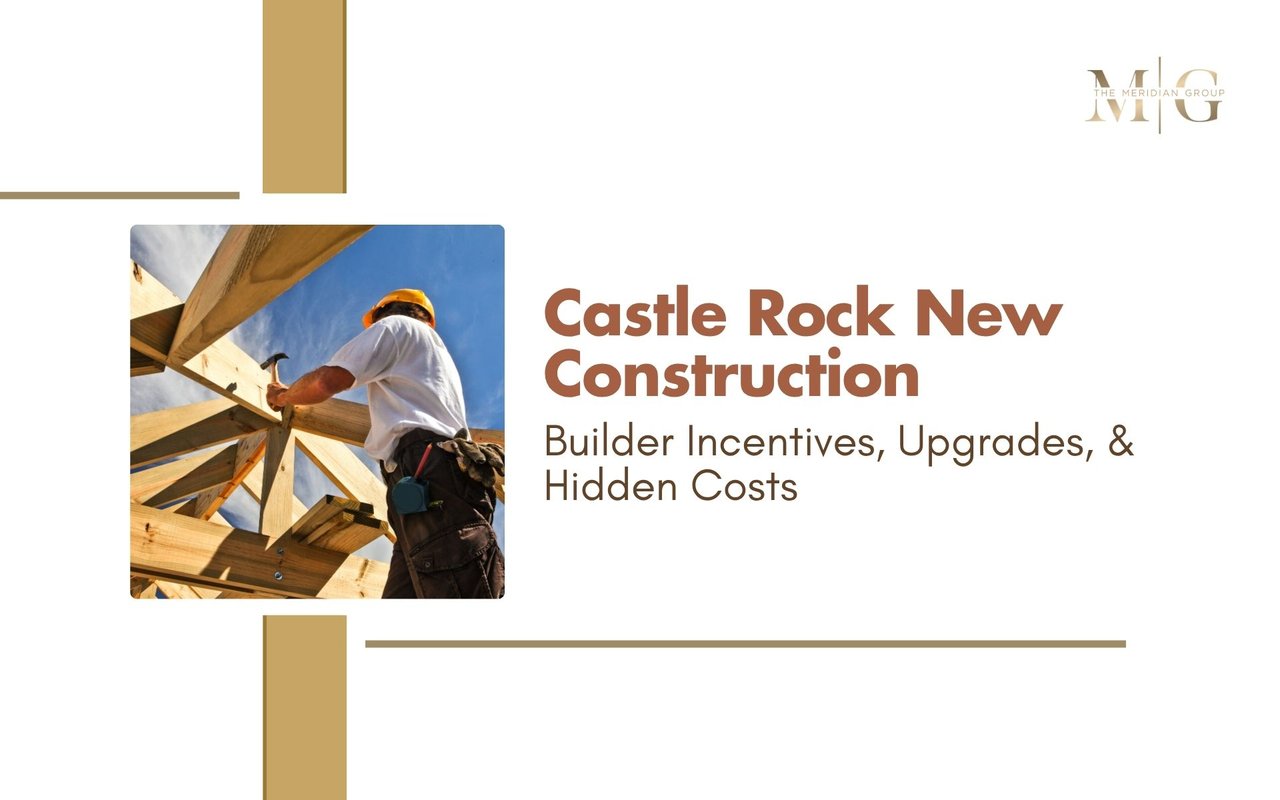
New construction offers modern layouts, newer systems, energy-efficient features, and a builder warranty. Buyers who want a low-maintenance first few years often prefer this route because they are not immediately budgeting for a roof, HVAC, or major appliance replacement.
Builders may also offer incentives such as rate buydowns, closing-cost credits, or upgrade packages. These incentives can narrow the gap between a new home’s sticker price and the real monthly cost, but buyers should compare the full financing picture rather than focusing only on the incentive.
Another advantage is personalization. Depending on the builder and construction stage, buyers may be able to choose finishes, upgrades, or layout options that fit their needs.
New Construction: What to Watch For
New construction is not automatically maintenance-free. Buyers should still review the builder warranty, HOA documents, metro-district taxes, and the cost of items that may not be included, such as fencing, landscaping, window coverings, or a finished basement.
Property taxes can also be higher on new builds because the assessed value may not yet reflect the full improvements. In some cases, new-construction taxes can be substantially higher than those on comparable resale homes.
Buyers should also review the builder contract carefully. Builder contracts can differ from the standard Colorado resale contract, especially around deposits, timelines, delays, inspections, and remedies.
Established Homes: What You Gain
Established homes offer mature trees, finished yards, known neighborhoods, and a clearer sense of how the property has performed over time. Buyers can often see how drainage, landscaping, fencing, and outdoor living spaces have held up.
Resale homes can also offer more negotiating flexibility. Depending on the market and the seller’s situation, buyers may be able to negotiate on price, repairs, credits, closing dates, or possession.
Another advantage is location. Established neighborhoods are often closer to downtown, older commercial corridors, light rail, or mature trail networks, which can make daily life more convenient.
Established Homes: What to Watch For
Older homes are not automatically a bargain. Buyers should budget for potential updates to roofing, windows, HVAC, electrical, plumbing, kitchens, baths, and drainage.
A thorough inspection is essential. Buyers should look beyond cosmetic updates and evaluate the condition of major systems, grading, drainage, foundation, roof, and any signs of water intrusion.
It is also important to review the property’s tax history and any metro-district obligations. Older homes may have lower taxes, but buyers should still verify the current bill, mill levy, and any future district obligations.
How to Compare the Two Options
The best comparison is a two-year cost picture. For new construction, include the mortgage payment, realistic property taxes, HOA or district fees, insurance, utilities, landscaping, fencing, window coverings, and any planned upgrades.
For an established home, include the mortgage payment, taxes, insurance, utilities, inspection findings, and the cost of updates you already know you want. This makes it easier to see which option truly fits your budget.
Then step back and consider your lifestyle. Do you want a yard or less yard work? Do you need a shorter commute or more space? Do you want to move quickly or wait for construction? These questions often matter as much as the price.
Local Insider Tips
Get fully underwritten before touring homes. A full underwriting review is stronger than a basic pre-qualification and can make an offer more credible.
Compare the all-in monthly cost, not just the mortgage payment. HOA dues, metro-district taxes, insurance, utilities, and maintenance can change affordability significantly.
Walk the neighborhood at different times. A quiet street on Sunday can feel very different during a weekday commute or evening rush.
Ask for HOA and metro-district documents early. Rules, reserves, insurance, and upcoming projects can affect both monthly cost and resale appeal.
Real Estate Tie-In
In Denver’s suburbs, the right choice depends on your priorities. A newer home in Castle Rock or Thornton may offer more space and fewer immediate repairs, while a home in Littleton, Arvada, or Lakewood may put you closer to walkable amenities and transit.
Before touring, write down your top three priorities: commute limit, target monthly payment, yard or garage needs, and the amenities you will use most. Then compare at least three suburbs side by side rather than chasing every new listing.
A smart purchase should balance price, commute, condition, and lifestyle. The right home is the one that fits your budget, commute, and long-term plan—not just the one with the newest finishes or the lowest list price.
FAQ
Is new construction better than an established home in Denver?
New construction is better if you value modern systems, a builder warranty, and fewer immediate repairs. An established home is better if you value mature landscaping, a known neighborhood, and more negotiating flexibility.
Are new-construction homes more expensive in Denver?
Often, yes. New construction can carry a higher base price, but builder incentives such as rate buydowns or closing-cost credits can narrow the real monthly cost. Buyers should compare the full financing picture rather than focusing only on the sticker price.
Are property taxes higher on new construction?
They can be. New builds may have higher assessed values and higher property taxes than comparable resale homes, so buyers should review the current tax bill, mill levy, and any future district obligations.
What should buyers check before buying new construction?
Review the builder warranty, HOA documents, metro-district taxes, builder contract, deposit schedule, construction timeline, and the cost of items not included, such as fencing, landscaping, or window coverings.
What should buyers check before buying an established home?
Review the roof, HVAC, windows, electrical, plumbing, drainage, foundation, and any signs of water intrusion. Buyers should also review the property’s tax history and any metro-district obligations.
Ready to Compare New Construction and Resale?
Ready to explore homes in Castle Rock, Douglas County, or the wider Denver South Metro? Call or text Tammy Petit Loveland at (720) 331-2355 or email [email protected]. I can help you compare new construction and established homes, understand the full cost of ownership, and find a home that fits your budget and lifestyle.
Tammy Petit Loveland, The Meridian Group Real Estate
Author Bio
Tammy Petit Loveland is a Castle Rock-based real estate agent with The Meridian Group Real Estate, helping buyers and sellers across Douglas County and the Denver South Metro area. She provides practical, local guidance for buyers comparing new construction, resale homes, neighborhoods, and long-term affordability.