
The best place to live near Denver depends on your lifestyle: walkability, commute, outdoor access, home type, and budget. For a walkable city lifestyle, look at LoHi, Capitol Hill, or Cherry Creek; for more space and a suburban feel, consider Castle Rock, Parker, Highlands Ranch, or Lone Tree.
At a Glance
LoHi: Best for walkable dining, nightlife, and skyline views.
Capitol Hill: Best for historic character, arts, and a more affordable city entry point.
Cherry Creek: Best for upscale shopping, dining, and a polished city feel.
Castle Rock: Best for space, outdoor access, and a town-centered lifestyle.
Parker: Best for suburban amenities, trails, and a growing downtown.
Highlands Ranch: Best for extensive trails, recreation centers, and master-planned living.
Lone Tree: Best for I-25, light rail, Park Meadows, and commuter convenience.
Start With Your Daily Routine
The best Denver neighborhood is the one that matches your budget, lifestyle, and commute needs at the same time. Start by defining your price ceiling, then rank your top three must-haves, such as walkability, transit access, outdoor space, or proximity to work.
Before narrowing your search, visit neighborhoods at the times you would actually use them. A quiet street on Sunday can feel very different during a weekday commute or evening rush.
It also helps to separate must-haves from preferences. A garage, main-floor living, a manageable commute, or a certain monthly payment may be a need, while an updated kitchen, finished basement, or larger yard may be a preference you can add later.
Best for Walkable City Living: LoHi
LoHi, or Lower Highland, is one of Denver’s most walkable neighborhoods, with a vibrant mix of restaurants, bars, and entertainment. It sits just northwest of downtown, with skyline views and easy access to the Highland neighborhood’s historic homes and modern infill.
Buyers who want a fast-paced, walkable lifestyle with abundant restaurants often start here. The tradeoff is that prices tend to be higher, and parking can be more limited than in suburban neighborhoods.
What to look for: proximity to restaurants and nightlife, parking situation, noise exposure, and the balance between walkability and home size.
Why locals love it: The neighborhood offers a vibrant city experience with diverse dining and entertainment.
Best for: Buyers who want a walkable, social lifestyle close to downtown.
Best for Historic Character: Capitol Hill
Capitol Hill is a dynamic neighborhood near downtown Denver, known for its historic homes, cafes, vintage shops, and diverse cultural scene. It is a good fit for buyers who want an artsy, creative atmosphere without paying the premium of Cherry Creek or Washington Park.
Capitol Hill offers a range of housing, from pre-war apartments and historic mansions to condos and smaller homes. Buyers who value walkability and cultural access may find this area especially
What to look for: building condition, parking, noise exposure, and proximity to downtown and cultural venues.
Why locals love it: The neighborhood offers a rich history and a diverse cultural scene close to downtown.
Best for: Buyers who want historic character, arts, and a more affordable city entry point.
Best for Upscale City Living: Cherry Creek
Cherry Creek is one of Denver’s most polished neighborhoods, with high-end shopping, fine dining, and a strong cultural scene. It sits roughly three miles from downtown, offering a balance of urban convenience and suburban tranquility.
Buyers who want a more upscale lifestyle with access to the Cherry Creek Shopping Center, gourmet dining, and the Cherry Creek Regional Trail often start here. The tradeoff is that home prices tend to be higher than in many other parts of the metro.
What to look for: proximity to shopping and dining, trail access, home age, and the balance between luxury amenities and monthly costs.
Why locals love it: The neighborhood offers upscale shopping, fine dining, and a strong cultural scene close to downtown.
Best for: Buyers who want a polished, upscale city lifestyle.
Best for Space and Outdoor Access: Castle Rock
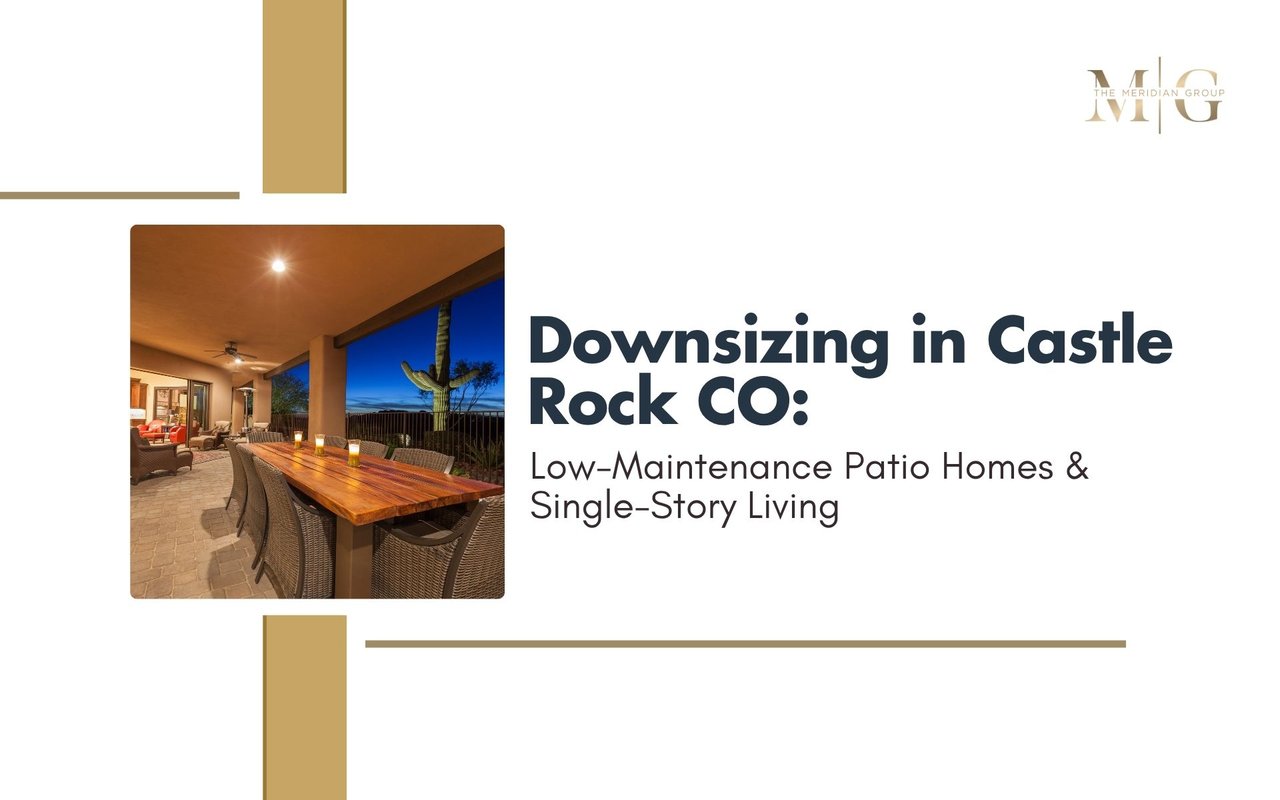
Castle Rock sits south of Denver in Douglas County along the I-25 corridor, roughly halfway between Denver and Colorado Springs. It combines a historic downtown, newer master-planned communities, parks, and easy access to Front Range open space.
Buyers often choose Castle Rock when they want a detached home, a larger lot, or a newer-construction option. The tradeoff is a longer drive to central Denver, so commuters should test the I-25 route during their normal travel time.
What to look for: proximity to I-25, trail access, lot size, HOA and metro-district costs, and whether you prefer an established neighborhood or newer build.
Why locals love it: Castle Rock offers a small-town center with a clear identity, while still connecting to both Denver and Colorado Springs.
Best for: Buyers who want space, outdoor recreation, and a town-centered lifestyle.
Best for Suburban Amenities: Parker
Parker is southeast of Denver in Douglas County, with a walkable Main Street district, Cherry Creek trail connections, and a mix of established neighborhoods and newer developments. It offers a practical balance between suburban amenities and access to the southeast metro.
Parker can be a good fit if you want a town-center feel, newer construction options, and room for a yard or garage. Because it is farther from downtown Denver, commute time and toll-road use should be part of the affordability conversation.
What to look for: proximity to Mainstreet, trail access, commute route, and whether the home’s location fits your daily routine.
Why locals love it: The community has a town-center feel, while trails and open space remain close to many neighborhoods.
Best for: Buyers who want suburban convenience, outdoor access, and a strong community feel.
Best for Master-Planned Living: Highlands Ranch
Highlands Ranch is a large master-planned community in Douglas County, south of Denver near C-470 and I-25. It is known for its extensive trail network, parks, recreation centers, and the nearby Backcountry Wilderness Area.
Buyers who want amenities built into everyday life often start here. Because the community is large, housing age, location, and association costs vary, so it is important to compare homes street by street.
What to look for: trail access, recreation-center proximity, HOA and metro-district fees, and commute route toward I-25 or C-470.
Why locals love it: Parks, paths, and recreation options are integrated throughout the community.
Best for: Buyers who want a master-planned lifestyle with extensive recreation amenities.
Best for Commuter Convenience: Lone Tree
Lone Tree sits in the southeast Denver Metro near I-25, C-470, E-470, Park Meadows, and light-rail service. It is a practical choice for buyers who prioritize a shorter or more flexible commute and want retail, dining, and medical services close by.
This area works well for buyers who prefer newer townhomes, condos, or single-family homes with convenient access to the Denver Tech Center and downtown. The tradeoff is that homes can carry a higher price point than some nearby suburbs.
What to look for: light-rail proximity, commute route, association fees, and the balance between newer construction and monthly costs.
Why locals love it: Daily errands, transit, and major road connections are close together.
Best for: Commuters, frequent travelers, and buyers who want convenience built into their location.
Local Insider Tips
Test the commute at your real departure time. I-25, C-470, E-470, and US-36 can change a 25-minute drive substantially during rush hour.
Compare the full monthly cost. HOA dues, metro-district taxes, insurance, utilities, and maintenance can matter as much as the purchase price.
Walk or bike the nearest trail before offering. Trail access is one of the Denver Metro’s biggest lifestyle advantages, but it varies block by block.
Visit the town center on a weekend. Downtown Castle Rock, Olde Town Arvada, downtown Littleton, and Parker’s Mainstreet each create a different everyday experience.
Real Estate Tie-In
The best way to choose a Denver neighborhood is to start with your real-life budget, not a generic affordability calculator. Once you know your target monthly payment and upfront cash position, you can compare homes across neighborhoods with more confidence.
In the Denver Metro, the right price range depends on more than square footage. A condo near light rail may reduce maintenance and commuting time, while a detached home in Castle Rock or Parker may provide more space and outdoor access. The right choice is the one that fits your budget, commute, and long-term plan.
Before making an offer, review the property’s tax profile, HOA documents, condition of major systems, and commute route. A well-chosen home should support both your financial goals and your everyday life.
FAQ
What is the best neighborhood to live in near Denver?
There is no single best neighborhood for everyone. LoHi and Cherry Creek work well for buyers who want walkability and city amenities, while Castle Rock, Parker, Highlands Ranch, and Lone Tree are strong choices for buyers who want more space and a suburban feel.
Which Denver neighborhoods are best for walkability?
LoHi, Capitol Hill, Cherry Creek, and areas near Union Station are among the most walkable parts of Denver. These neighborhoods offer easier access to restaurants, transit, and daily services.
Which Denver suburbs are best for commuters?
Lone Tree, Centennial, Highlands Ranch, and parts of Aurora can be strong options for commuters, depending on where you work. Buyers should test the full commute from the exact address, especially if they plan to use I-25, C-470, E-470, or light rail.
Is Castle Rock too far from Denver?
Castle Rock is about 30 to 40 miles south of downtown Denver, depending on your starting point. It can be a strong fit for buyers who want more space and outdoor access, but commuters should evaluate I-25 traffic and consider whether their work location is in Denver, the Tech Center, or Colorado Springs.
What should buyers compare before choosing a neighborhood?
Buyers should compare commute time, all-in monthly cost, HOA and metro-district fees, yard size, parking, trail access, home age, and proximity to work and shopping. Walking the neighborhood at different times of day is one of the best ways to confirm the fit.
Ready to Find Your Denver Neighborhood?
Ready to explore homes in Castle Rock, Douglas County, or the wider Denver Metro? Call or text Tammy Petit Loveland at (720) 331-2355 or email [email protected]. I can help you compare neighborhoods, commute routes, and homes that fit your budget and lifestyle.
Tammy Petit Loveland, The Meridian Group Real Estate